
PCS Preparation Guide · 10 min read

Preparing for Your Next Duty Station: A Complete PCS Checklist

From the moment your orders arrive to the day you settle into your new community, every PCS move has dozens of moving parts. This timeline-based checklist helps you stay organized, meet deadlines, and handle each phase of your move with confidence — whether you are heading to Northern Virginia, suburban Maryland, or across the country.

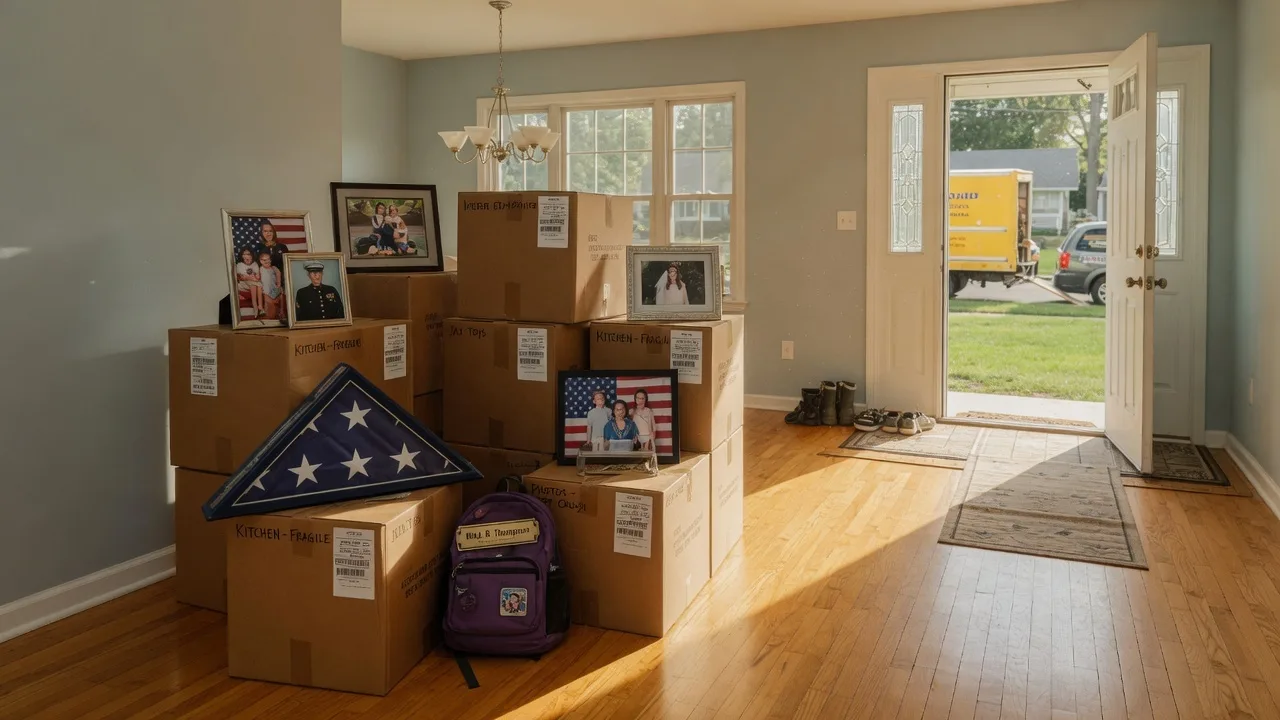
Moving boxes and personal items in the entryway of a new home

A Permanent Change of Station is more than a physical relocation — it is a complete life transition that touches your finances, your family's education, your healthcare, your housing, and your social support network. The difference between a chaotic PCS and a smooth one almost always comes down to planning. And the earlier you start, the more options you have.

Patricia Dinkens has guided military families through hundreds of PCS moves over 24 years. She has seen what works, what gets missed, and what causes the most stress. This guide distills that experience into a practical, timeline-driven checklist that you can use from the moment your orders are cut to the day you unpack your last box.

Whether you are PCSing to Northern Virginia, suburban Maryland, or anywhere in between, this guide applies to every military relocation. And if your destination is the DC metro area, Patricia is ready to handle the real estate side of your move with the same organized, detail-focused approach outlined here.

Orders Received — Early Planning

120+ Days Out

Contact your gaining unit's relocation office for in-processing instructions and available resources
Request a copy of your permanent change of station orders for your records
Begin researching your new duty station area: neighborhoods, schools, commute times, and cost of living
Connect with an MRP-certified real estate agent at your gaining location (Patricia can refer you through her nationwide network)
Contact your current installation's transportation office to begin HHG shipment paperwork
Review your current lease (if renting) for termination clauses and required notice periods
Begin gathering important documents: medical records, school transcripts, vehicle registration, pet records

Housing Search & Move Logistics

90 Days Out

Finalize your housing decision: buy, rent, or on-base housing waitlist
If purchasing, get pre-approved for a VA loan with a VA-approved lender
Schedule your household goods (HHG) shipment — weight limits and entitlements vary by rank and dependent status
Decide on a partial DITY (Personally Procured Move) or full government move
Research and enroll children in schools at the new location — contact school districts for military enrollment requirements
Begin medical and dental record transfers for your family
Identify temporary housing options if your permanent home will not be ready on arrival

Coordination & Preparation

60 Days Out

Confirm HHG shipment date and pickup window with your transportation office
If selling your current home, coordinate listing timeline with your PCS date
Finalize school enrollment paperwork for military-connected students
Set up mail forwarding through USPS to your new address (or a temporary hold if needed)
Transfer or cancel utilities at your current residence
Arrange for vehicle transport if driving is not practical
Notify your bank, insurance providers, and important contacts of your address change
Research healthcare options at your gaining installation (TRICARE enrollment, nearby hospitals, dental providers)

Final Preparations

30 Days Out

Confirm temporary lodging reservations at or near your gaining installation
Pack essential items separately: important documents, medications, electronics, children's comfort items, valuables
Complete final walkthrough of your current home (if selling) or confirm move-out cleaning and repairs
Arrange for pet transport if needed — airlines and professional pet movers have specific requirements
Confirm your new home is ready for move-in: keys, utilities activated, and any repairs completed
Prepare a first-night/first-week kit: bedding, towels, toiletries, cleaning supplies, basic kitchen items, snacks
Share your travel itinerary with your gaining unit and family members

Settling In at Your New Duty Station

Arrival

Complete in-processing at your gaining unit: S1/personnel, finance, and your new command
Register vehicles in the new state (Virginia requires within 30 days; Maryland within 60 days)
Update your driver's license to reflect your new state of residence
Set up utilities, internet, and home services at your new residence
Register for base access and obtain installation stickers or ID updates as needed
Connect with your new unit's family readiness group and spouse support networks
Locate key base resources: commissary, PX/exchange, MWR, chapel, medical facilities
Introduce your family to the neighborhood: parks, libraries, community centers, and local amenities

What Documents Should You Have Ready for a PCS Move?


One of the most common sources of PCS stress is missing or misplaced paperwork. Military families move frequently, and important documents can get scattered across multiple residences, offices, and storage locations. Before your move, gather everything into a single, organized folder — physical and digital copies.

Personal Documents

Marriage certificate
Birth certificates for all dependents
Social Security cards
Military ID and dependent ID cards
Passports (if applicable)
Power of Attorney documents

Medical & Dental

Immunization records (especially for school enrollment)
Medical records and current prescriptions
Dental records
TRICARE enrollment confirmation
Pet vaccination records and health certificates

Housing & Financial

Lease agreement or mortgage documents
Homeowner's insurance policy
Vehicle titles and registration
Bank account information
Tax returns (last two years)
Credit report (review before home shopping)

Military & Education

PCS orders (multiple copies)
Leave and Earnings Statement (LES)
School transcripts and IEP/504 plans (if applicable)
College transcripts or certification records
Training records and awards (for your personnel file)

How Does the Household Goods (HHG) Shipment Process Work?


Your household goods shipment is managed through your installation's Transportation Office (TO), which coordinates with approved moving companies. The process typically works as follows:

Schedule your move

Contact your TO as soon as you receive orders. They will assign a moving company and schedule a pre-move survey to estimate the volume of your household goods.

Choose your move type

Full government move: the moving company handles everything. Partial DITY/PPM: you pack and move some items yourself, and receive reimbursement. Full DITY: you manage the entire move and are paid based on government rates (requires TO approval).

Pack and ship

For a full government move, the moving company packs, loads, and ships your goods. For a DITY, you pack and transport items yourself. Weight limits depend on your rank and number of dependents — your TO can provide your specific entitlement.

Delivery and inspection

When your goods arrive, inspect every item before signing the delivery receipt. Note any damage immediately — you have 70 days to file a claim for loss or damage through the moving company or the military claims process.

Pro tip: Take photos of valuable items before the move. Keep serial numbers and receipts for electronics. Pack a separate "essentials" box with items you will need immediately — toiletries, a change of clothes, medications, important documents, and basic kitchen supplies. This box should travel with you, not on the moving truck.

Tips for a Smooth HHG Shipment


Based on 24 years of working with military families, Patricia has seen the same challenges come up again and again. Here are practical tips that make a real difference:

Declutter before you pack. The less you ship, the less you unpack. Donate, sell, or discard items you no longer need. Moving is the best time to lighten your load.
Label everything clearly. Use color-coded labels by room and number each box. Keep a master inventory list. This saves hours during unpacking and helps with any damage claims.
Separate high-value items. Jewelry, important documents, firearms, and irreplaceable personal items should travel with you, not on the truck. Some items may have limited liability coverage under the moving contract.
Prepare your new home before delivery. If possible, ensure your new home is ready — utilities on, rooms cleared for furniture placement, and cleaning completed — before your HHG arrives. This prevents damage from forcing items into a space that is not ready.
Document everything. Photograph valuables, keep all receipts, and save all moving paperwork. If something is damaged or lost, thorough documentation is your best friend during the claims process.

How Do You Settle Into a New Community After a PCS?


The move itself is only half the battle. The weeks and months after arrival are when you actually build your new life — find your routines, meet your neighbors, discover your favorite restaurants, and help your family feel at home. Here is how to approach the settling-in process:

Connect with the military community

Your installation's family readiness group is your first stop. Chapel programs, MWR activities, and spouse clubs are all designed to help new families integrate quickly. In the Northern Virginia and DC area, military spouse networks are large, active, and welcoming.

Support your children's transition

School transitions are hard for kids. Both Virginia and Maryland participate in the Interstate Compact on Educational Opportunity for Military Children, which helps with enrollment and record transfers. Many school districts have dedicated military family liaisons — ask your school about them.

Explore your area

Visit local parks, farmers markets, community centers, and military-friendly businesses. If you are in the Northern Virginia or Maryland area, Patricia can point you toward neighborhoods, restaurants, recreation spots, and services that match your family's interests.

Be patient with yourself

It takes time to feel at home in a new place. Most military families report that it takes three to six months to feel truly settled. Give yourself and your family grace during the adjustment period.

Official Military Moving Resources


These are the key resources and websites that military families rely on during a PCS move. Bookmark them early in your process — you will return to them repeatedly.

Defense Personal Property System (DP3)

The official system for managing your household goods shipment. Track your move, file claims, and manage your entitlement online.

Transportation Office (TO)

Your installation's TO is your primary resource for HHG shipment, DITY moves, and move-related questions. Visit them as soon as you receive orders.

Military OneSource

Comprehensive resource for relocation assistance, including financial counseling, spouse employment support, and move planning tools.

TRICARE

Transfer your healthcare coverage to your new region. Use the TRICARE provider directory to find new doctors, dentists, and specialists near your gaining installation.

DMDC (Defense Manpower Data Center)

Manage your personnel information, DEERS enrollment, and dependent status through the DMDC portal.

"The military families who have the smoothest moves are the ones who start early and stay organized. A PCS is a lot of work — but with the right plan, it becomes an exciting new chapter instead of a crisis."

— Patricia Dinkens, MRP, 24 years of military relocation experience

Military family settling into their new home

Need Help With Your PCS Move?

Patricia Dinkens handles the real estate side of your PCS move with the same organization and care this checklist covers for everything else. Whether you are buying, selling, or both, she makes your transition smooth.