
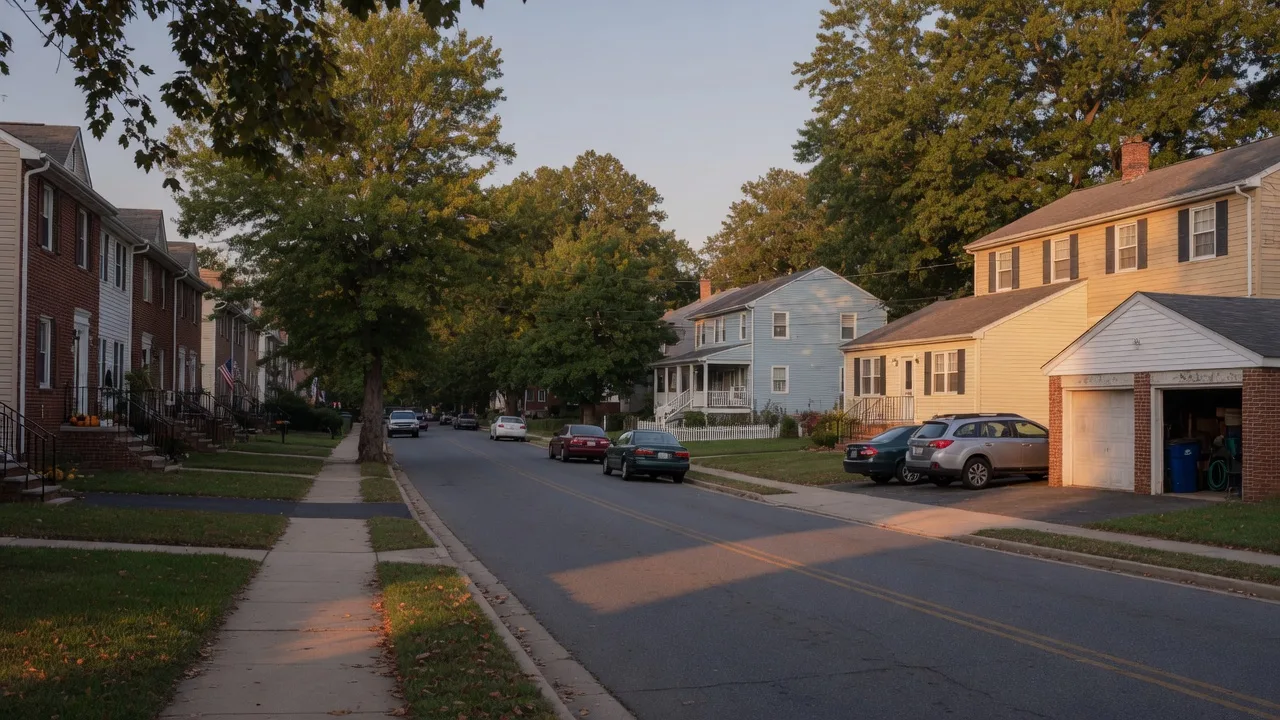

A tree-lined suburban street with a mix of single-family homes and townhomes, representing the wider range of housing options new Virginia laws encourage
Virginia · 2027 Updates

New & Upcoming
Housing Laws.

Virginia passed its biggest housing package in years during the 2026 session. Most of it is now in effect; this guide tracks what is still coming in 2027 and archives what has already changed.

Patricia Dinkens, Residential Specialist at Samson Properties

By Patricia Dinkens, MRP

Residential Specialist · Samson Properties · Updated October 25, 2026

Housing laws in Virginia changed more in the 2026 session than in most recent years, and more changes are scheduled for 2027. This page tracks the verified new and upcoming laws that affect anyone renting, buying, selling, or owning a home in Northern Virginia, with effective dates and a plain-language takeaway for each one.

The items below were verified on October 25, 2026 against the Virginia General Assembly, Virginia REALTORS, and the Northern Virginia Association of REALTORS (NVAR). This page is informational only and is not legal advice. Laws change, so always confirm the current version before acting, and consult a qualified attorney for your specific situation.

At a Glance

Virginia: the 2026 session's housing package is now in force. The next verified items take effect January 1, 2027 and July 1, 2027.
Military families: a 2027 law updates military-tenant lease termination rules, and a new 90-day rent-increase notice helps PCS households budget months ahead.
Note: informational only, not legal advice. Laws change; always verify current details and consult a professional for your specific situation.

What's on This Page


The Virginia section below covers the laws still coming: items effective January 1, 2027 and July 1, 2027, plus what to watch when the General Assembly convenes again in January 2027. A clearly dated archive then lists the 2026 session laws that took effect July 1, 2026 and are now in force.

Pair this page with the site's deeper guides on the topics these laws touch, including the 2026 Fort Belvoir BAH guide, the Fort Belvoir housing guide, buying versus renting, and the community comparisons.

New & Upcoming · Effective January 1 and July 1, 2027

Virginia

The 2026 General Assembly passed more than a dozen housing bills, and every item below was confirmed against bill records from the Virginia General Assembly and the session recaps published by Virginia REALTORS and NVAR. Most of the 2026 package is already in effect (see the dated archive further down); these are the verified items still coming.

Effective January 1, 2027

Faith in Housing Act: Affordable Housing on Faith-Community Land

HB 1279 / SB 388 · Effective January 1, 2027 · Sunsets January 1, 2031

Allows faith institutions and qualifying nonprofit organizations to develop affordable housing by right on land they own, removing local zoning hurdles that previously slowed these projects. The General Assembly passed it with a delayed effective date and a sunset in 2031.

What it means for you: over the next few years, Northern Virginia communities may gain more affordable units on land owned by churches and other faith groups, which can mean more options for families priced out of the open market. If a project starts near your installation, ask how units are offered and what any income limits are.

Homeowners Insurance: Roof Age No Longer a Reason to Drop Coverage

HB 677 / SB 402 · Effective January 1, 2027

Insurers may no longer cancel a homeowners policy or refuse to renew it solely because an asphalt shingle roof is old. The same law tightens rules on contractors who aggressively solicit storm-damage claims.

What it means for you: if you buy a home with an older roof, or your own roof ages, the policy cannot be dropped for roof age alone. Have the roof inspected for condition rather than replaced on age alone, and be cautious with any contractor who shows up at the door after a storm.

Renters Can Install Portable Solar Devices

HB 395 / SB 250 · Effective January 1, 2027

Adds a new section to the Virginia Residential Landlord and Tenant Act (VRLTA) letting tenants install small, portable solar generation devices (up to 1,200 watts per dwelling unit) in most settings. Landlords who own more than four units cannot ban the devices outright, though they can set reasonable rules, and localities cannot prohibit them.

What it means for you: if you rent, you may be able to run a plug-in solar panel on a balcony or patio to trim electricity costs after giving your landlord written notice. Check your lease and your landlord's reasonable rules before installing anything.

New Protections After Fire or Casualty Damage

HB 834 / HB 848 · Effective January 1, 2027

Before a landlord can terminate a rental agreement after fire or casualty damage, the landlord must make a reasonable effort to meet with the tenant, discuss alternatives, and offer a substantially similar unit. Separate changes let tenants assert landlord noncompliance when conditions create a fire hazard or a serious threat to life, health, or safety.

What it means for you: if a fire or storm damages your rental, you get a conversation and options before the lease can be ended. Document damage with photos, and keep written records of every repair request so your rights are easy to show.

Effective July 1, 2027

Accessory Dwelling Units Required Statewide

SB 531 · Effective July 1, 2027

Requires every Virginia locality to allow accessory dwelling units (ADUs) in single-family residential zones, removing the local authority to ban them altogether. Localities keep the power to regulate size, siting, parking, and other details.

What it means for you: expect more ADUs, sometimes called granny flats or in-law suites, to become legal across Northern Virginia as counties update their ordinances. For homeowners, that can mean rental income or space for family; for buyers, more housing choices in single-family neighborhoods.

90-Day Notice Before Rent Increases at Renewal

HB 678 · Effective July 1, 2027

Under the VRLTA, landlords who own more than four rental units must give tenants with renewal options at least 90 days' written notice of a rent increase before the current term ends. Tenants then get at least 30 days after that notice to say whether they will renew.

What it means for you: if you rent from a larger landlord, you will know your new rent months ahead of renewal, which makes PCS budgeting far more predictable. Calendar the notice dates, and reply in writing by the deadline if you want to renew.

Military Tenant Lease-Termination Updates

HB 174 · Effective July 1, 2027

Amends the VRLTA's military-tenant section with a change that removes a restriction on when military personnel can terminate a rental agreement. Virginia law already gives service members a lease-exit path with proper notice and proof of orders; this change is designed to make those rules more workable for an active-duty move.

What it means for you: this one matters most for PCS families. If you need to break a lease for a military move, these updated rules affect your timeline. Always give written notice, attach a copy of your orders, and keep your own record of when and how you delivered it.

Electronic Notice and Holdover Rules Recodified

Virginia Code 55.1-1202 · Effective July 1, 2027

The law recodifies VRLTA provisions on how notices are delivered and how holdover tenancies are handled, so the rules read more clearly and apply consistently across leases.

What it means for you: expect clearer, more predictable notice rules in leases signed after mid-2027. Confirm how your landlord delivers notices, by mail, email, or a portal, and respond in writing so there is no question later about what you received.

Watch the 2027 Session

Watch List: These Are Not Law Yet

Virginia General Assembly convenes January 2027

Several housing bills were carried over from the 2026 session rather than defeated, and one major topic is under study. None of these are law today, but they could move when the General Assembly returns:

  • Rent control: HB 278, HB 1177, and SB 355 were continued to the 2027 session. They are proposals, not law.

  • Algorithmic rent-setting: SB 585 and HB 1252, which would regulate the software landlords use to set rents, were continued to 2027 while the Virginia Housing Commission studies the issue.

  • Disclosure statement review: a 2026 study group is reviewing Virginia's Residential Property Disclosure Statement and reporting to the General Assembly, which could shape buyer disclosures in the future.

What it means for you: nothing changes yet from these items. If you are buying or selling soon, today's disclosure and rent rules stand. This page will be updated as the 2027 session moves.

Dated Archive · Took Effect July 1, 2026

Already in Force

The laws below are no longer new or upcoming. They took effect July 1, 2026, so they are included here as a dated archive for anyone catching up on the 2026 session, with the essentials in plain language.

Longer Pay-or-Quit Notice

HB 15 / SB 48 · In effect since July 1, 2026

The notice a landlord must give before terminating a lease for nonpayment of rent was extended from 5 to 14 days, giving tenants more time to pay or respond.

For you: if you fall behind on rent, you now have more time to catch up. Respond in writing and keep records of every payment.

Fairer Rent Payment and Fee Rules

HB 1005 / SB 313 · In effect since July 1, 2026

Landlords must accept rent and security deposits by check and money order, give written receipts for cash, cap payment-processing fees at actual cost, and offer at least one fee-free way to pay.

For you: no more surprise processing fees when you pay rent. Use the fee-free method and keep your receipts.

Central Air Conditioning Is an Essential Service

HB 519 · In effect since July 1, 2026

When a landlord supplies central air conditioning, it is now treated as an essential service under the VRLTA, subject to the same repair duties as heat and water.

For you: if landlord-provided central A/C breaks during a Northern Virginia summer, the repair rules now cover it. Report problems in writing.

Eviction Diversion and Health or Safety Defenses

HB 837 / SB 273, SB 373 / HB 281 · In effect since July 1, 2026

Eviction Diversion Program eligibility widened, tenants can raise seriously uninhabitable conditions as a defense to eviction, localities can sue landlords for serious unremedied health or safety violations, and retaliation protections expanded.

For you: if your home is unsafe and your landlord ignores it, you have more protection. Document the conditions and any health code complaints.

Deed Fraud Prevention

HB 163 / SB 316 · In effect since July 1, 2026

Enhanced notary training, tighter identity verification, and free property-alert notification systems at clerk's offices make fraudulent property transfers harder to push through.

For you: watch your property records. If anything looks wrong, contact your local clerk's or recorder's office right away.

Workforce Homeownership Grants

HB 164 / SB 328 · In effect since July 1, 2026

The cap and income restrictions on the homeownership grants localities can offer employees such as teachers and public safety workers were removed, giving communities more flexibility.

For you: if you work in education, public safety, or a supported role, your community may now offer bigger down-payment help. Ask your employer or local housing office.

Affordable Housing Zoning Tools

HB 594, HB 867 / SB 74, HB 4 · In effect since July 1, 2026

Localities can fast-track rezoning for qualifying affordable housing, gained stronger inclusionary zoning authority, and may pass right-of-first-refusal ordinances to preserve affordable housing stock.

For you: more affordable units may come online in your community. If your budget depends on them, ask about income limits and waitlists.

Manufactured Home Park Protections

HB 374 / HB 375 · In effect since July 1, 2026

Park lot agreements must itemize all charges on the first page, lot rent cannot rise while an outstanding habitability violation notice exists, and residents and localities get a right of first refusal when a park is sold.

For you: manufactured home residents get clearer charges, fixes before rent hikes, and a voice when the park changes hands.

Did not pass in the 2026 session: rent control, mandatory seller disclosure mandates, and development impact fee bills were defeated in the Virginia General Assembly. Several of these topics return in 2027 as carry-over proposals, so see the watch list above.

Verify the Current Details

Legislation moves. Bills get amended, implementation details change after a law is signed, and local rules can differ from a statewide summary. This page reflects items verified on October 25, 2026, and it is informational only, not legal advice.

Before making any decision based on a law, confirm the current version with the Virginia General Assembly or your locality, and consult a qualified attorney for your specific situation. Patricia is a real estate professional, not an attorney, and she will always point you to the right expert when a question goes beyond real estate.

Disclaimer: this page is a general summary, not legal advice. Laws change; always verify current details and consult a professional before acting.

How Will These Laws Affect Your Market?

Patricia follows the Northern Virginia housing market every day. Whether you are renting, buying, selling, or just trying to understand what these new laws mean for your family's housing, reach out and she will walk you through it.